
The Office of Special Trial Counsel
How Article 24a, UCMJ — enacted in the FY 2022 NDAA and effective 27 December 2023 — created the Office of Special Trial Counsel and stripped commanders of authority over covered offenses.
· 5 min read
Faith, Law, and the Free Society
This is where I think out loud about the things that matter most — how faith shapes public life, what the law demands of us, and why community is worth the work.
How Article 24a, UCMJ — enacted in the FY 2022 NDAA and effective 27 December 2023 — created the Office of Special Trial Counsel and stripped commanders of authority over covered offenses.
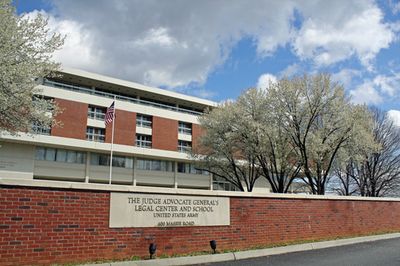
The Army's Judge Advocate Officer Basic Course (JAOBC) at TJAGLCS in Charlottesville: schedule, curriculum, daily life, and a week-by-week firsthand account.
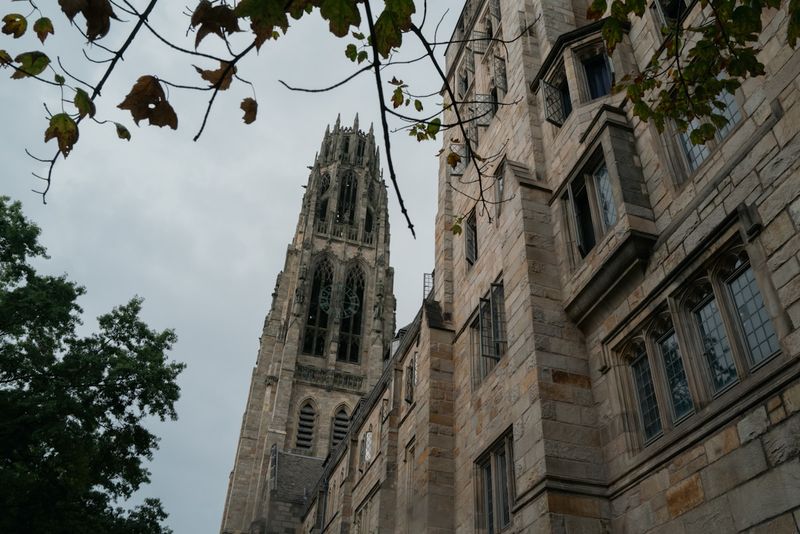
Yale Divinity School's acceptance rate is roughly 23%. I got in — my complete 2026 guide to degree options, essays, full-tuition aid, and what admissions actually looks for.
Thoughtful writing at the intersection of faith, public service, and constitutional principles.
A curated introduction to the ideas and themes I explore most.
The Catechism names its sources and its readers: bishops first, then everyone. What CCC 11–12 teach about faith and morals, the Fathers, and the liturgy.
Everything you need to know about JASOC—the Air Force Judge Advocate Staff Officer Course at Maxwell AFB. Schedule, curriculum, and firsthand tips from a former JAG officer.
How the Article 32 preliminary hearing works after the FY 2014 and FY 2015 NDAA reforms — narrower scope, paper-based practice, waiver, and the OSTC interaction.
Governor Sanders was asked to leave a Little Rock restaurant. This essay examines what the Croissanterie incident reveals about political hatred, tolerance, and the slow death of civic life in America.
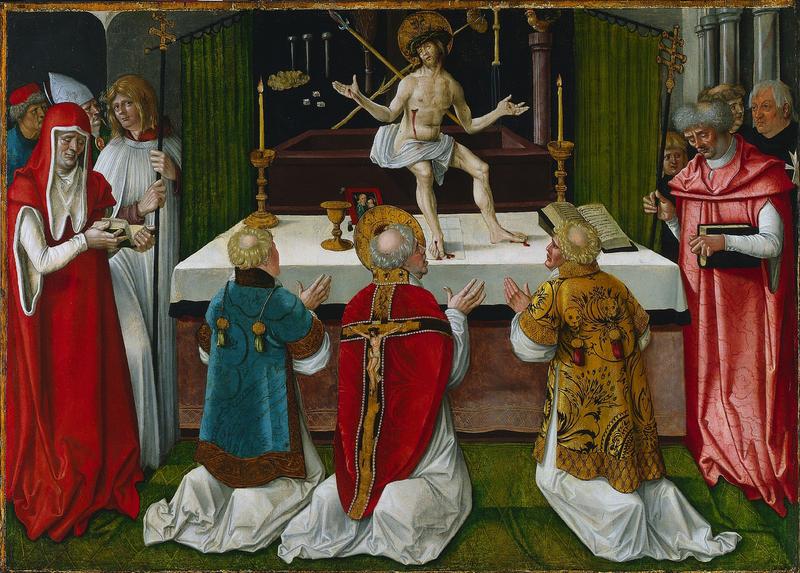
The Catechism names its sources and its readers: bishops first, then everyone. What CCC 11–12 teach about faith and morals, the Fathers, and the liturgy.
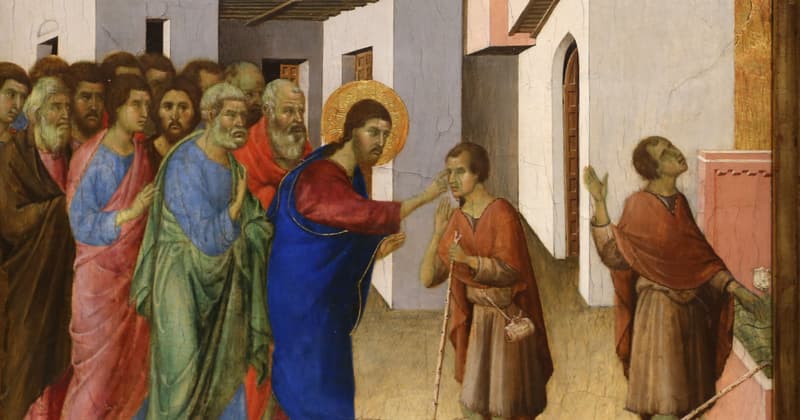
Four years of Greek and Hebrew at a Baptist college taught me the opposite of what I expected. Not precision—the places where the English hides a decision.
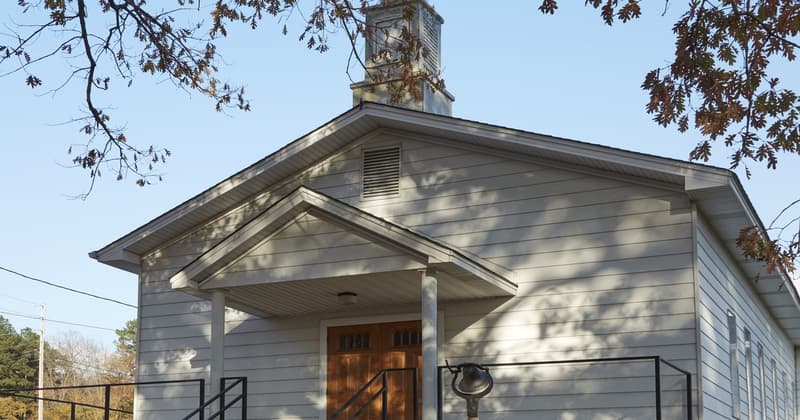
A Catholic convert's gratitude for the Southern Baptist faith that raised him—the Bible under his arm, the casseroles, the cost, the hymn verse he never sang.
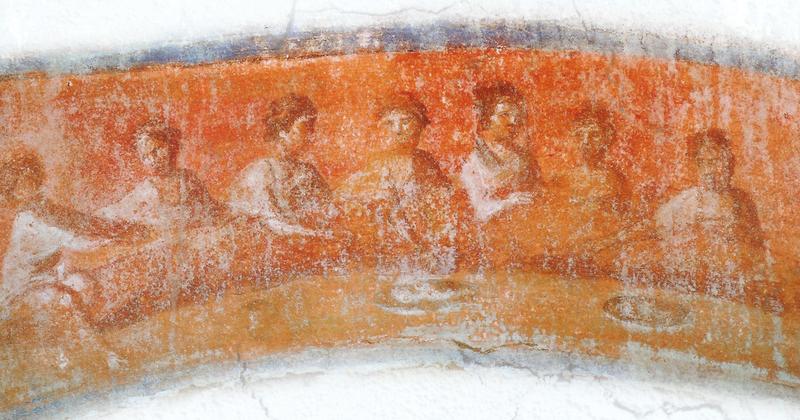
A sophomore apologetics assignment on Justin Martyr's First Apology cost me the church I was raised in. What chapter 66 says about the Eucharist.

A Catholic exegesis of Matthew 13:44–52: the hidden treasure, the pearl of great price, the dragnet, and the scribe who brings out the new and the old.

The Didache may be older than the last books of the New Testament, yet no Bible ever carried it. What the earliest church order says, and why it was left out.
Get new writing on faith, law, and service the moment it's posted — follow along on X.
Follow on XPrefer your inbox? New writing on faith, law, and service, delivered as it's published.
No spam. Unsubscribe anytime.